
Share this product :
L-Lysine Monohydrochloride 99%
- Origin
- : China
- CAS Number
- : 657-27-2
- HS Code
- : 2922.41.00
Basic Info
- Physical State
- : Solid
- Appearance / Color
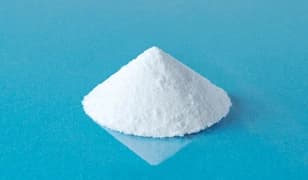
- : White to off-white crystalline powder
- Odor
- : Characteristic
- Taste
- : Slightly bitter
- Moisture Content (%)
- : <0.5%
- pH
- : 5.0-6.0 (10% solution)
- Synonyms & Trade Names
- : L-Lysine monohydrochloride; L-Lysine HCl; Lysine 98.5%
- Total Plate Count (TPC)
- : <50,000 CFU/g
- Yeast & Mould
- : <500 CFU/g
- E. Coli
- : Negative/25g
- Coliform Bacteria
- : <100 CFU/g
- Salmonella
- : Negative/25g
- Shelf Life
- : 24 months
- Packaging Size
- : 25 kg
- Packaging Type
- : PP woven bag
- Storage Conditions
- : Cool, dry place
- Halal Certification
- : Available
- Kosher Certification
- : Available
- ISO / HACCP
- : Yes
- Food Grade / Regulatory Status
- : Feed/Food grade
- Crude Protein (%, min)
- : ~68%
- Total Volatile Basic Nitrogen (TVN/TVBN, mg/100g)
- : Not applicable
- Bulk Density
- : ~0.70 g/cm³
- Lysine Content (%, min)
- : 78.8% min
- Active Ingredient Assay (%)
- : 98.5% min (HCl form); 99% min (monohydrochloride)
- Antioxidant Treatment
- : None
- Species of Origin Declaration
- : N/A (fermentation)
- EU Feed Additive Authorization No.
- : E641
- Aflatoxin B1
- : Not applicable
- Heavy Metals — Feed (As, Pb, Hg, Cd)
- : Compliant
- Dioxins & PCBs (pg WHO-TEQ/g fat)
- : Not applicable
Categories
Share this product :
Brief Overview
Lysine belongs to the group of essential limiting amino acids. It is found in all of the proteins but vegetable proteins contain its small amounts, thus feed mixtures are often poor in it. Lysine deficiency in the body is caused by poultry diets that consist mainly of cereals, sunflower meal and minor amounts (1–2 %) of animal feed. It contains two amino groups and one carboxyl group, therefore it has basic properties. Lysine is a component of proteins.
It is necessary for poultry for the regulation of nitrogen and carbohydrate metabolism, as well as for the synthesis of nucleotides and chromoproteins, it promotes intensive growth of younger animals, intensive use of feed, and melanin pigment formation in poultry feathers; lysine affects formation of erythrocytes and calcium deposition in bones, is involved in redox reactions, activates transamination and deamination of amino acids, facilitates calcium and phosphorus absorption.
Lysine is an amino acid of the second priority in poultry requiring methionine for the feather protein formation. Wheat, barley, and corn and sunflower diets are almost always poor in lysine.
Manufacturing Process
L-Lysine is primarily generated through fermentation employing Corynebacteria strains, notably Corynebacterium glutamicum. This involves a complex series of steps such as fermentation, separating cells through centrifugation or ultra-filtration, isolating and purifying the product, followed by evaporation and drying.