
Share this product :
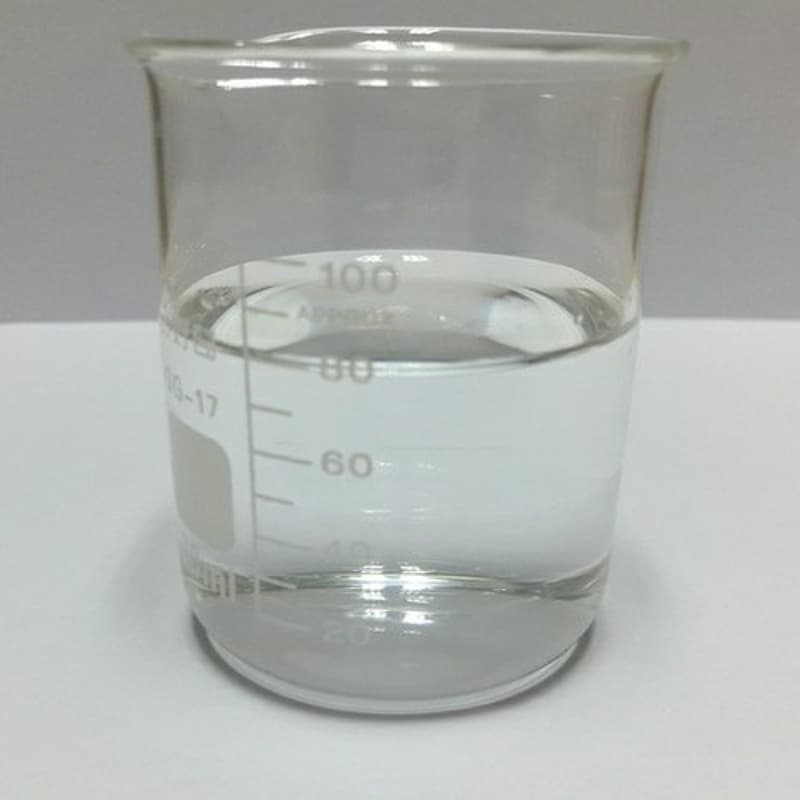
Polyethylene Glycol - Taiwan
- Origin
- : Taiwan
- CAS Number
- : 25322-68-3
- HS Code
- : 3907.29.11
Categories
Share this product :
Brief Overview
Polyethylene Glycol (PEG) stands as a polyether compound possessing hydrophilic and nonionic characteristics. It is alternatively referred to as polyethylene oxide (PEO) or polyoxyethylene (POE), differing based on its molecular weight. Its molecular formula, (CH2CH2O)n, denotes the average count of oxyethylene groups, typically falling within the range of n = 5 – 182 for standard PEGs (averaging MW 200-8000). PEG is recognized for its non-toxic, non-irritating nature, serving as a moisture-retaining chemical. Its notable solubility and lubricating properties make it extensively applicable across various industries.
Manufacturing Process
Polyethylene glycol is created through the interaction between ethylene oxide and water, ethylene glycol, or ethylene glycol oligomers. This reaction is catalyzed by either acidic or basic catalysts. The process starts with ethylene glycol and its oligomers as raw materials, and the resulting polymer chain length varies based on the ratio of these reactants.
The equation representing the reaction is:
HOCH2CH2OH + n(CH2CH2O) → HO(CH2CH2O)n+1H
The catalyst type determines the mechanism of polymerization, which can be either cationic or anionic. The anionic mechanism is preferred due to its ability to yield PEG with low polydispersity. Notably, the polymerization of ethylene oxide is an exothermic process.