
Share this product :
Potassium Chloride
- Origin
- : China
- CAS Number
- : 7447-40-7
- HS Code
- : 3104.20.00
Basic Info
- IUPAC Name
- : potassium chloride
- Molecular Formula
- : KCl
- Molecular Weight (g/mol)
- : 74.5500
- Synonyms & Trade Names
- : Potassium chloride; KCl; Sylvite; Muriate of potash
- Purity / Assay (%)
- : 99% min
- Physical Form
- : Solid
- Concentration
- : Pure substance
- Appearance / Color
- : White to off-white solid
- Odor
- : Odorless
- Melting Point (°C)
- : 770.0000
- Boiling Point (°C)
- : 1500
- Density (g/cm³)
- : 1.9880
- Solubility in Water
- : Freely soluble (34.7g/100mL)
- UN Number
- : Not applicable
- H-Statements
- : None
- P-Statements
- : P260
- REACH Status
- : Registered
- Drug Precursor Status
- : Non-precursor
- Storage Class (GHS)
- : 13
- Storage Conditions
- : Cool, dry place
Categories
Share this product :
Brief Overview
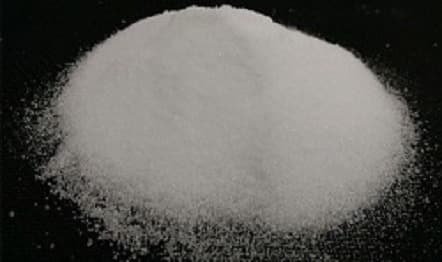
Potassium chloride (KCl) is a metal halide salt composed of potassium and chlorine. In its pure state, it is odourless and has a white or colourless vitreous crystal appearance, with a crystal structure that cleaves easily in three directions. Potassium chloride crystals are face-centered cubic (FCC). Potassium chloride was historically known as "muriate of potash". Potash varies in color from pink or red to white depending on the mining and recovery process used. White potash, sometimes referred to as soluble potash, is usually higher in analysis and is used primarily for making liquid starter fertilizers.
Manufacturing Process
Potassium chloride occurs naturally as sylvite, and it can be extracted from sylvinite. It is also extracted from salt water and can be manufactured by crystallization from solution, flotation or electrostatic separation from suitable minerals. It is a by-product of the making of nitric acid from potassium nitrate and hydrochloric acid.