
Share this product :
Styrene Acrylonitrile (SAN)
- Origin
- : Taiwan
- CAS Number
- : 9003-54-7
- HS Code
- : 390320
Basic Info
- Concentration
- : Pure substance
- Appearance / Color
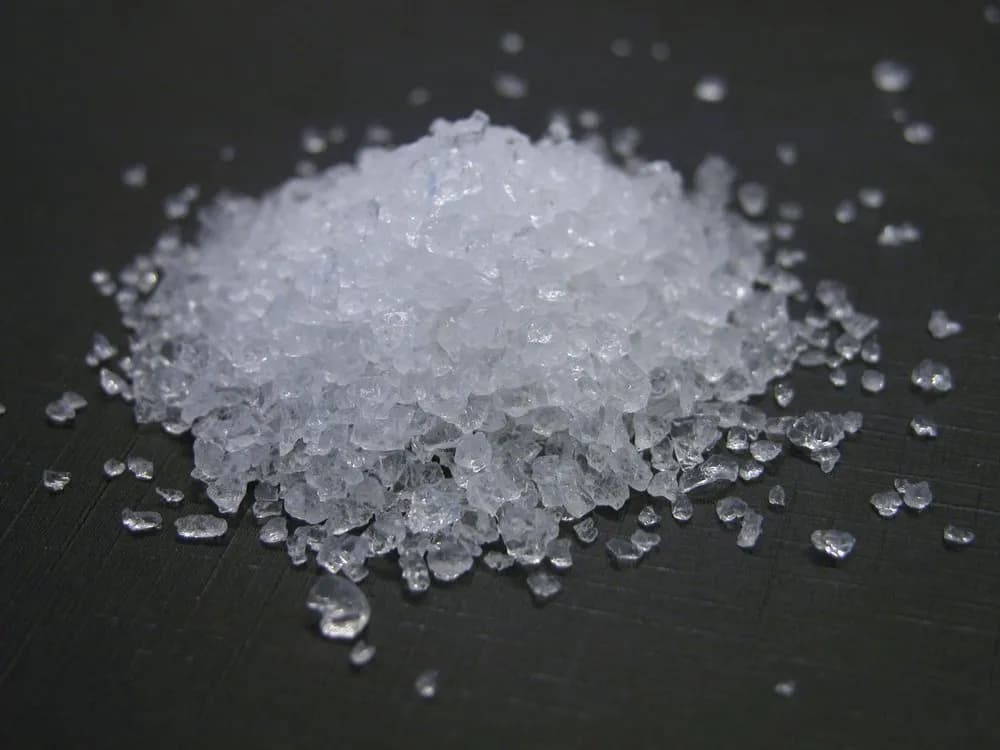
- : White to off-white solid
- Drug Precursor Status
- : Non-precursor
Categories
Share this product :
Brief Overview
Styrene acrylonitrile (SAN) is a thermoplastic polymer that is composed of styrene and acrylonitrile monomers. It is a transparent material with a glass-like appearance that is known for its high stiffness, hardness, and chemical resistance. SAN is commonly used in applications that require transparency, such as lenses, lighting fixtures, and medical devices. It is also used in household items such as kitchenware and cosmetic containers. SAN can be easily processed using injection molding, extrusion, or blow molding, making it a popular choice for a wide range of applications. Overall, SAN is a versatile polymer that offers a unique combination of properties and is widely used in various industries.
Manufacturing Process
Styrene acrylonitrile (SAN) is typically produced through a process known as emulsion polymerization. In this process, styrene and acrylonitrile monomers are mixed with water and a surfactant to form an emulsion. The emulsion is then heated and agitated, which causes the monomers to polymerize and form small particles called latex.
Once the latex has been formed, it is coagulated using a coagulating agent such as magnesium chloride or calcium nitrate. The coagulated latex is then washed and dried to remove any residual water and surfactant. The resulting powder or pellets can then be melted and shaped into various forms using processes such as injection molding, extrusion, or blow molding.
The exact manufacturing process for SAN can vary depending on the specific formulation of the polymer and the desired properties of the final product. Some variations of the process may involve the use of different monomer ratios, different surfactants, or additional additives to enhance certain properties of the polymer.