
Share this product :
Vitamin B12
- Origin
- : China
- CAS Number
- : 68-19-9
- HS Code
- : 293626
Basic Info
- Physical State
- : Solid
- Appearance / Color
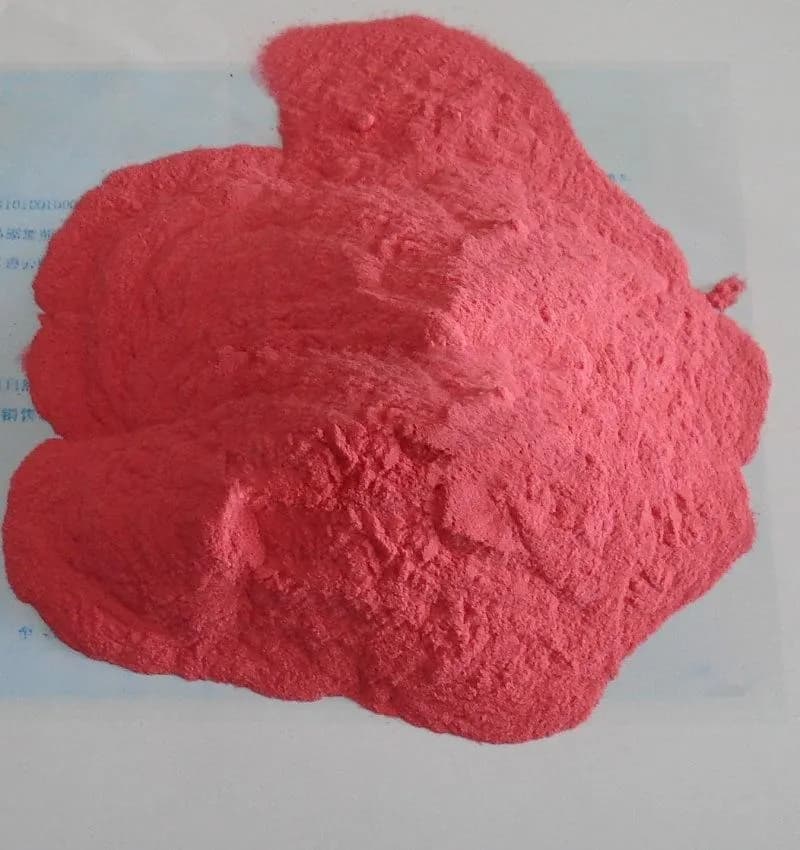
- : Dark red to reddish powder
- Odor
- : Odorless
- Moisture Content (%)
- : <5%
- Synonyms & Trade Names
- : Cyanocobalamin; Cobalamin; Vitamin B12 1%
- Total Plate Count (TPC)
- : <50,000 CFU/g
- Yeast & Mould
- : <500 CFU/g
- E. Coli
- : Negative/25g
- Coliform Bacteria
- : <100 CFU/g
- Salmonella
- : Negative/25g
- Shelf Life
- : 24 months
- Packaging Size
- : 1 kg
- Packaging Type
- : Aluminum foil bag / brown glass bottle
- Storage Conditions
- : Cool, dark, dry; 2-8°C; protect from light
- Halal Certification
- : Available
- Kosher Certification
- : Available
- ISO / HACCP
- : Yes
- Food Grade / Regulatory Status
- : Feed/Pharmaceutical grade
- Total Volatile Basic Nitrogen (TVN/TVBN, mg/100g)
- : Not applicable
- Active Ingredient Assay (%)
- : 1% min cyanocobalamin
- Antioxidant Treatment
- : None
- Species of Origin Declaration
- : N/A (fermentation)
- EU Feed Additive Authorization No.
- : E880
- Aflatoxin B1
- : Not applicable
- Heavy Metals — Feed (As, Pb, Hg, Cd)
- : Compliant
- Dioxins & PCBs (pg WHO-TEQ/g fat)
- : Not applicable
Categories
Share this product :
Brief Overview
Cyanocobalamin or well-known as synthetically produced Vitamin B12 is an additive in animal feed to overcome the deficiency of vitamin B12 in animals with pernicious anemia and other conditions. Methylcobalamin and adenosylcobalamin are used in an animal body through the conversion of cyanocobalamin. Cyanocobalamin crystalline is powdery within the dark red color.
Manufacturing Process
The present invention relates to a process for producing vitamin B12 comprises the steps of culturing a strain of the genus Propionibacterium in a first fermenter under anaerobic conditions to obtain a culture of Propionibacterium, transferring at least part of the culture obtained in the previous step to a second fermenter and subjecting this culture to oxygen, replacing in the first fermenter part of the volume transferred in the previous step with fresh culture medium and repeating all the steps at least once.